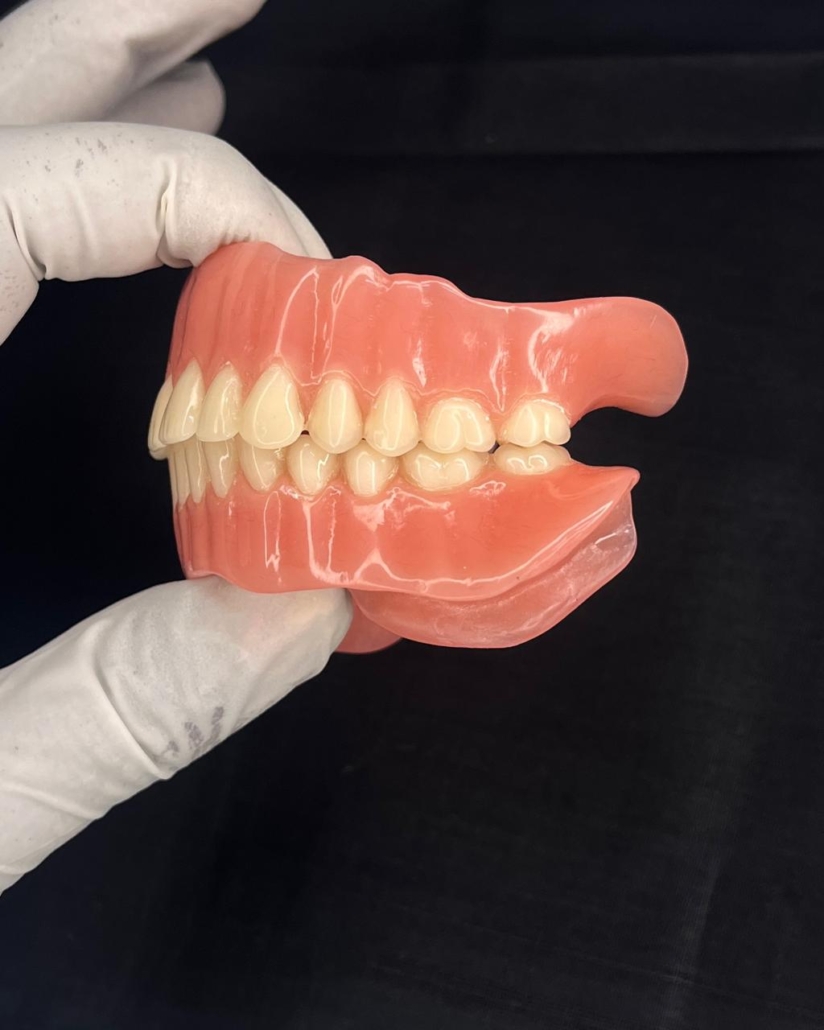
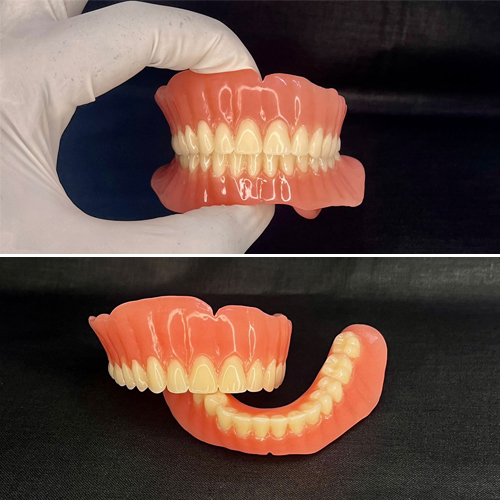
Complete Denture

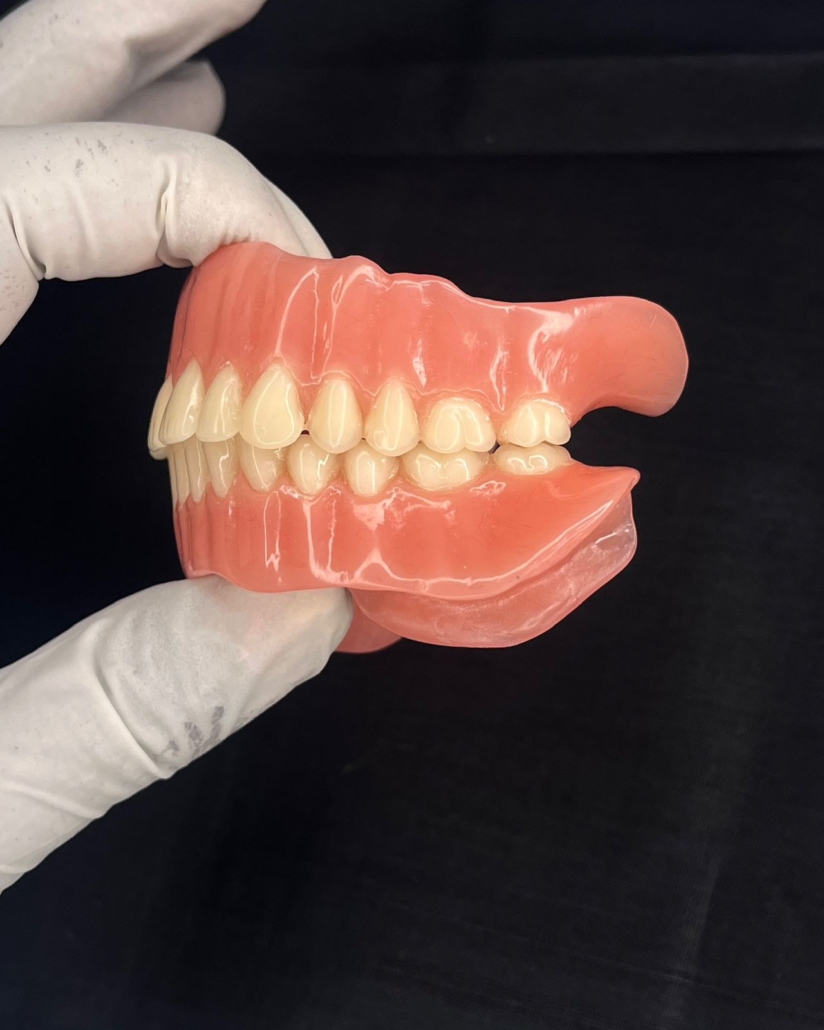
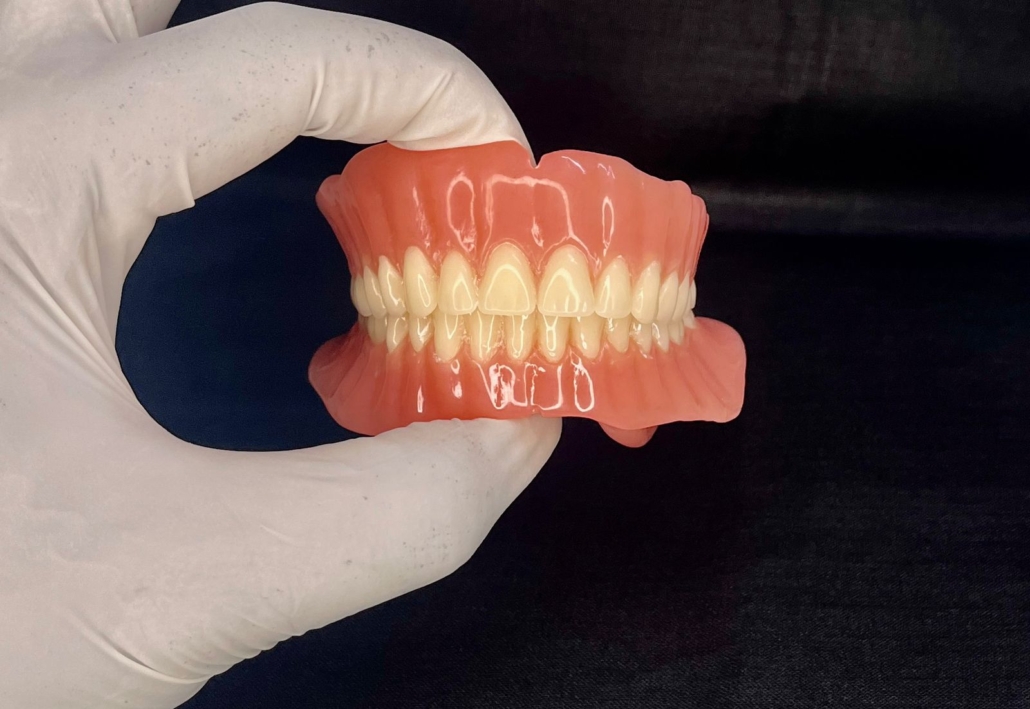
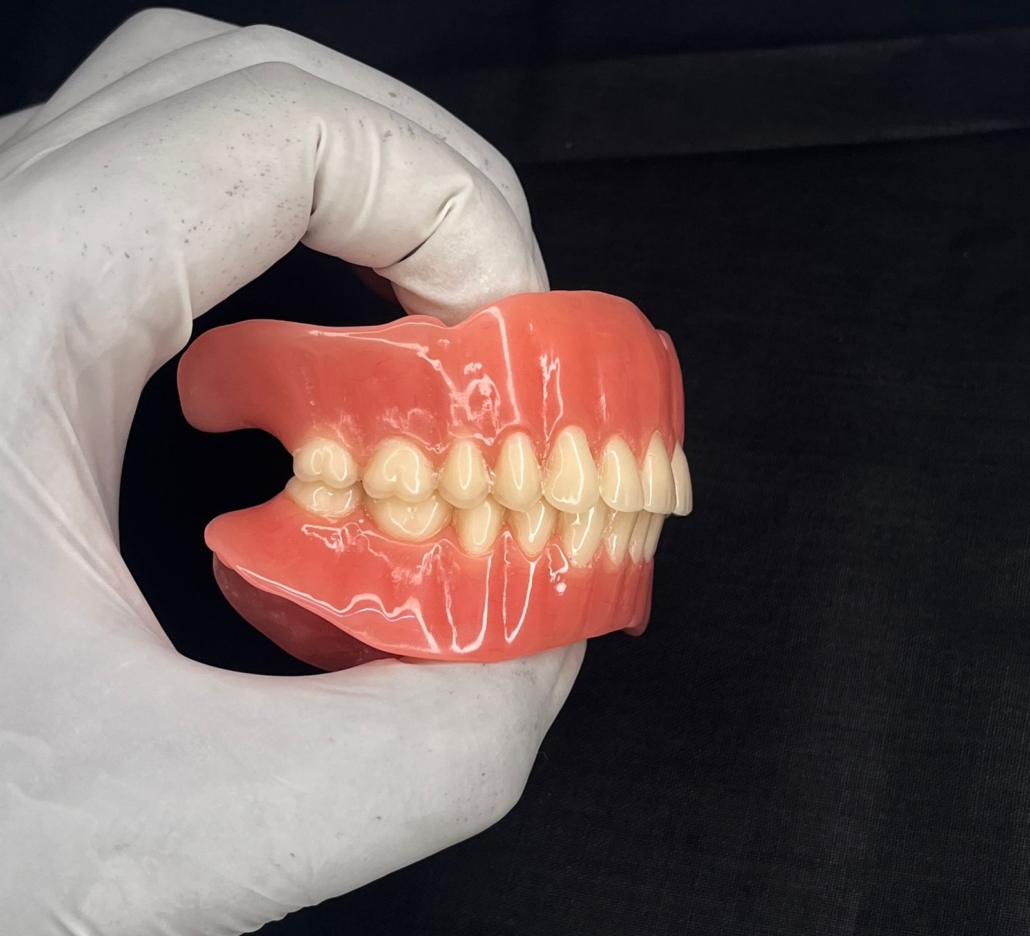
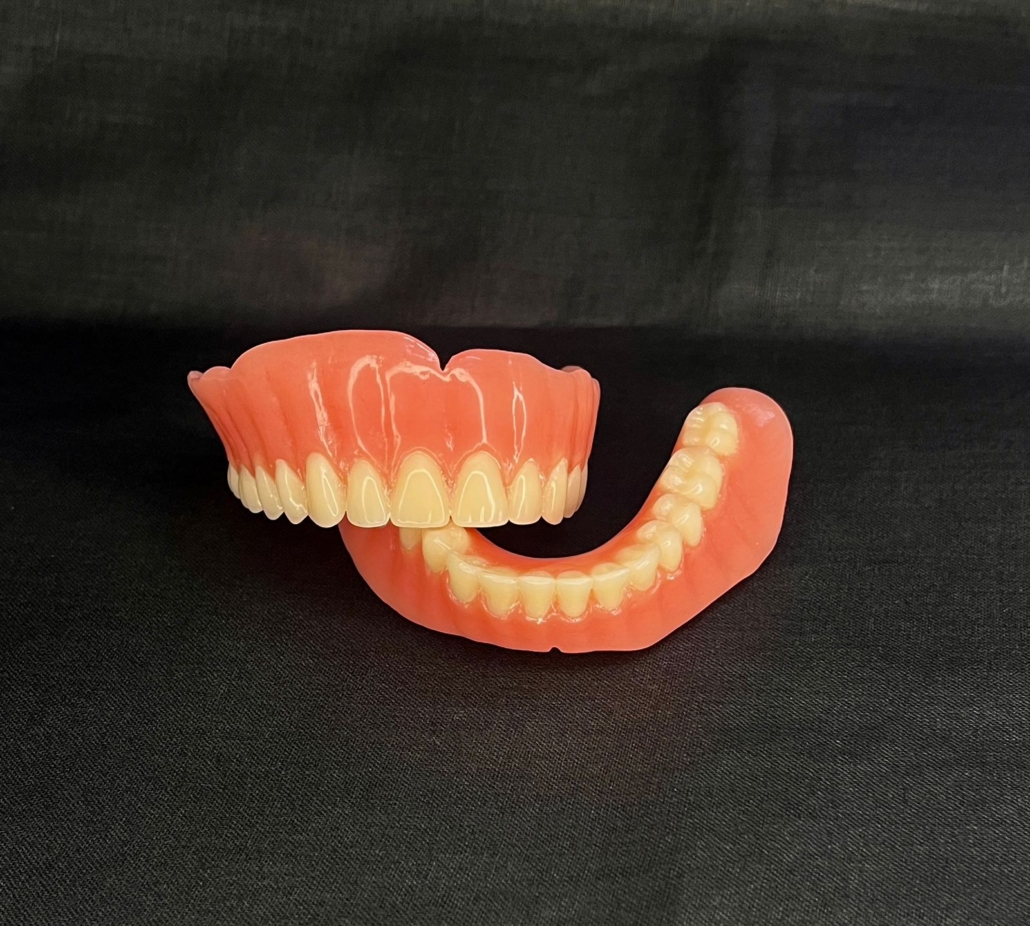
A complete denture is a removable dental prosthesis designed to replace all the missing teeth and associated structures in either the upper (maxillary) or lower (mandibular) arch. It is typically indicated in patients who have lost all their teeth due to decay, periodontal disease, trauma, or other conditions. There are various types of complete dentures, including conventional dentures (made after the gums heal), immediate dentures (inserted right after extraction), overdentures (supported by retained roots or implants), and implant-supported dentures (which offer enhanced stability).

The process of making a complete denture involves several steps, starting with a thorough patient evaluation, followed by preliminary and final impressions, recording jaw relations, trying in the wax setup with artificial teeth, processing the final denture, and finally inserting and adjusting it. Proper identification of anatomical landmarks such as the maxillary tuberosity, incisive papilla, and retromolar pad is crucial for accurate fit and function. Acrylic resin is commonly used for the denture base, while teeth may be made of acrylic or porcelain.

After delivery, patients must be educated on denture care, which includes regular cleaning, soaking, and avoiding hot water. Common issues with complete dentures include sore spots, poor retention, difficulty speaking or eating, and gradual bone resorption.

Regular follow-ups and possible relining or rebasing help maintain the fit over time. With proper fabrication, care, and patient adaptation, complete dentures can restore aesthetics, speech, and function effectively for edentulous patients.